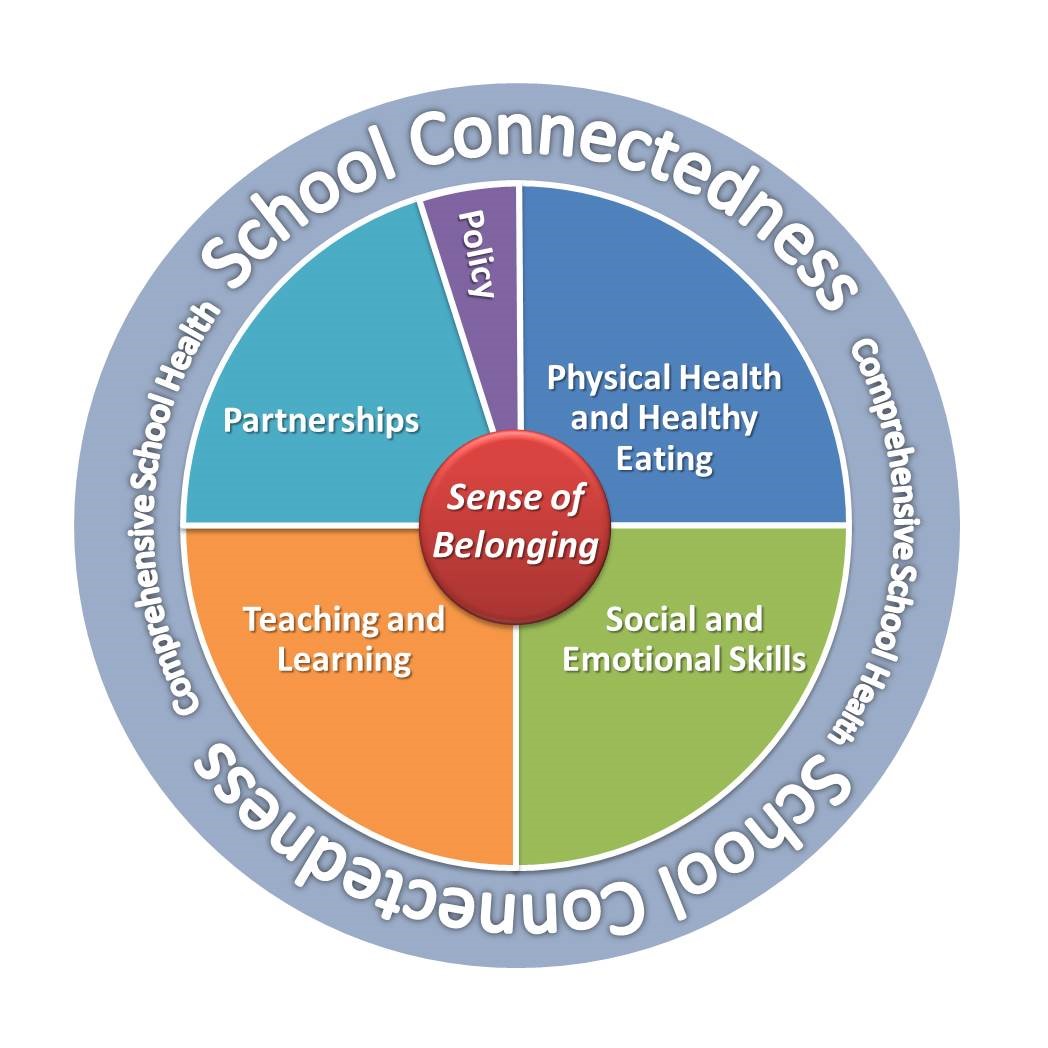
This article explores the notion that school connectedness has ability to positively affect students’ sexual behaviour. While other studies have examined school connectedness with relation to sexual behaviour, this was the first to separate the data from boys and girls; in particular, “lower school connectedness was associated with sexual risk behaviours in boys; no such associations were seen in girls” (p. 392). Boys who felt more connected to their schools were less likely to engage in risky sexual behaviour. School connectedness is seen as a strong factor in ensuring youth develop positive attitudes and behaviours. Methods for enhancing school connectedness are also briefly discussed to this end.
2. What serious questions/issues does the reading raise regarding gender and sexuality and young people?
I was interested to read that girls were less influenced by school connectedness in the study. Why is it that boys were more affected by the positive influence of school connectedness? I think this raises the issue of how boys and girls respond differently to different institutional initiatives for sexual health education, and this must be kept in mind when developing relevant curriculum.
3. In what ways does this article reinforce, extend, challenge, or oppose your own views on
gender and sexuality study/research/practice?
This study reinforced for me the idea that having a healthy school community can only help your students' lives. Healthy school communities are prepared to support students through the initiatives and programs they have in place, and are essential not only to students' academic success, but also their mental wellness.
4. What do you take away from the reading in terms of your own gender inclusive practice as a future educator?
The four school-associated factors that can contribute to school connectedness that are discussed are organizational structure, functional aspects, built environment, and interpersonal support. Ensuring these four pillars are being practised in a school is an important part of developing school connectedness. I will be cognizant of these factors in whatever school I am in, and work toward developing and strengthening them when I see them lacking.
Langille, D. B., Hughes, J., Murphy, G. T., & Rigby, J. A. (2005). Socioeconomic factors and adolescent sexual activity and behaviour in Nova Scotia. Canadian Journal of Public Health/Revue Canadienne de Sante'e Publique, 313-318.
1. What are the major ideas in the article?
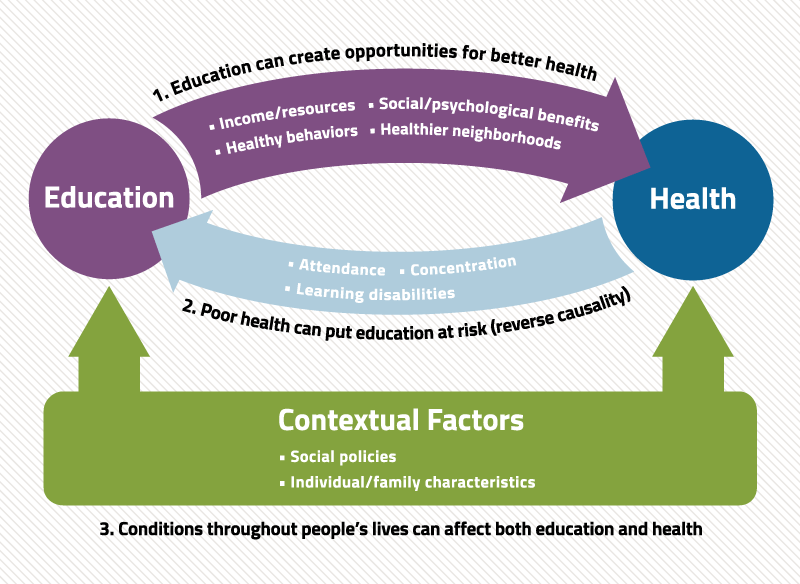
This study examined the relationship between Socio-Economic Status (SES), sexual activity, and sexual risk behaviours. While the authors speculated that lower SES would be associated with increased sexual activity and risk behaviour, they discovered a more nuanced relationship. While they found that lower SES was associated with sexual activity in females, the same was not found to be true in the male population. Conversely, risk behaviours were found to be linked with low SES in males, but not in females. These results have implications for sex education professional, as the authors note, “Perception of increased behavioural risk with lower SES potentially could lead to decreased risk screening in middle- and upper-class youth” (p. 317).
2. What serious questions/issues does the reading raise regarding gender and sexuality and young people?
The study observes that, “more needs to be done to promote sexual health in Nova Scotia” (p. 316), as the number of women who reported using contraceptives changed only marginally between 2000 and 2005. What are we, as educators, doing to ensure healthy sexual activity? What needs to change? What needs to be improved? Obviously the current system is not yielding any positive results, so this study raises the issue that we are failing youth, in some way, by effectively teaching them safe sex.
3. In what ways does this article reinforce, extend, challenge, or oppose your own views on
gender and sexuality study/research/practice?
This article challenged my preconceived notion that low SES is associated with sexual activity and sexual risk behaviours. Prior to reading this article, I would have assumed low SES youth would be more susceptible to sexually risky behaviour (I can't reason out exactly why -- perhaps because of inaccessibility to resources?), but I now understand these issues as disconnected from notion of SES.
4. What do you take away from the reading in terms of your own gender inclusive practice as a future educator?
It is important that all students receive the same level of sexual health education and risk screening, regardless of SES or other factors. Youth are sexually active – regardless of SES – and thus need the proper education to be sexually active in healthy and responsible ways.

No comments:
Post a Comment